
Many gifted students experience early academic success with relatively little struggle. They often learn quickly, complete assignments efficiently, and may not encounter many situations where they have to persist through difficulty.
These are wonderful qualities, and they often reflect a child’s genuine potential. But over time, they can create an unexpected challenge.
At some point, every student will run into a problem that doesn’t have an obvious answer. A project will stall. An approach that seemed logical won’t work. A plan that made sense on paper will need to be rebuilt from the ground up.
For students who are accustomed to quick success, moments like these can feel especially disorienting. The traditional school curriculum often doesn’t give gifted learners enough experience sitting with difficulty, and that’s a gap worth addressing.
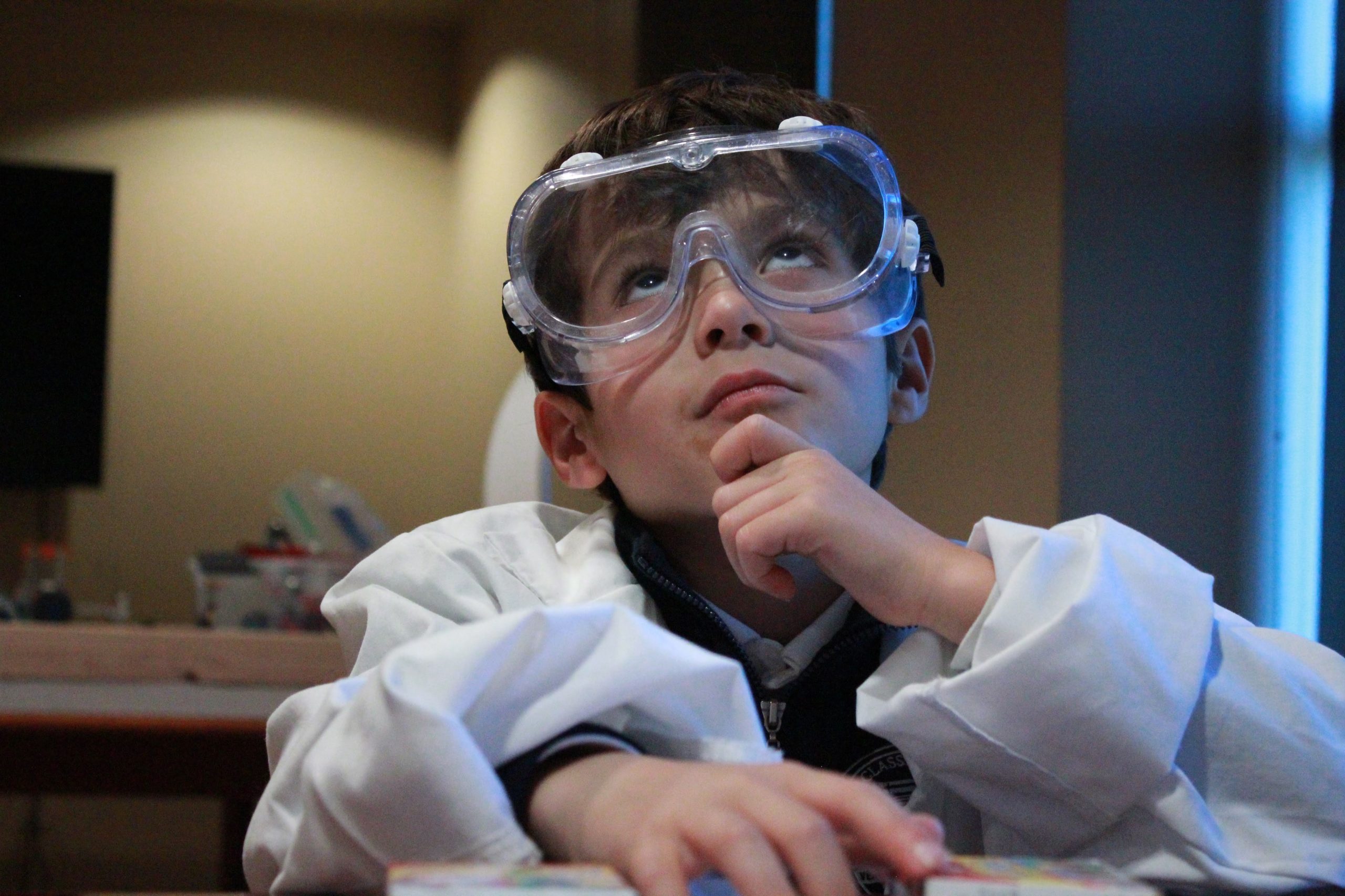
A Waybright Challenge
Using only paper and tape, build the tallest freestanding tower possible.
Paper and tape. Nothing else.
Give no hints about how to approach it. Let your child decide on the design and figure out the method entirely on their own. The goal isn’t to build a perfect tower on the first try. It’s about developing the habit of looking at what didn’t work and figuring out how to do better next time.
- Which part of the design held up well?
- Where did things fall apart, and why do you think that happened?
- What would you do differently if you built it again?
Gifted Children Require More Than Harder Assignments
When a child shows real talent, the natural response is to give them harder work. More advanced math, more challenging reading, extra practice problems. And while that kind of rigor matters, it often isn’t quite what gifted learners need most.
What they often need are problems without a tidy answer. They need to build something, see it fail, figure out why, and try a different approach. That cycle of attempting, adjusting, and trying again is where real learning happens.
Even the hardest worksheet still asks: “What is the right answer?” A good STEM challenge shifts that question entirely. Instead of looking for the right answer, students start asking:
“What will actually help here?”
“What do I need to understand before I can improve this?”
That kind of thinking can’t be measured by a multiple-choice test, but it’s exactly the kind of thinking that serves students well throughout their lives.
What open-ended STEM challenges develop
Engineering Thinking
Problem Solving
Collaboration
Iteration
Resilience
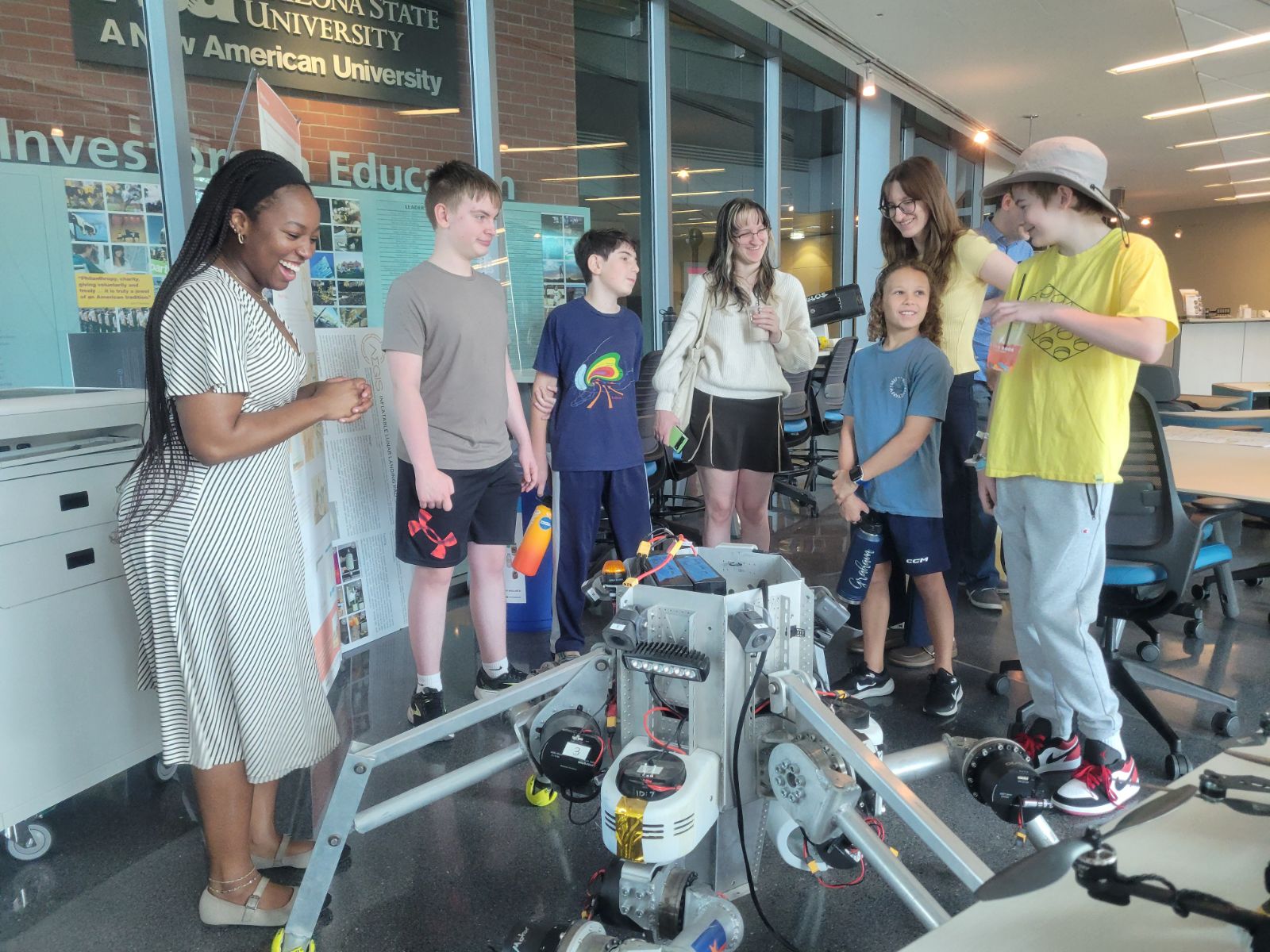
Why is Productive Failure Important?
For many gifted students, the early years of school are filled with praise and positive feedback. They tend to answer questions correctly, finish work quickly, and hear “you’re so smart” from the adults around them.
Over time, a quiet belief can take hold: if I’m capable, I should already know how to do this. Being stuck starts to feel like a personal flaw rather than a normal part of learning.
The problem is that real learning almost always involves some struggle. A scientist doesn’t know the result before running an experiment. An engineer doesn’t know if a structure will hold until it’s tested. A designer rebuilds a prototype many times before landing on something that actually works.
When students experience productive failure, they practice sitting with uncertainty. They learn that not knowing the answer right away doesn’t mean they’re not capable. It means they’re working on something worth figuring out.
Failure itself isn’t the goal. What matters is what happens after it. Analyzing what didn’t work, identifying what to adjust, and building the confidence to try again: these are the skills that translate well beyond the classroom.
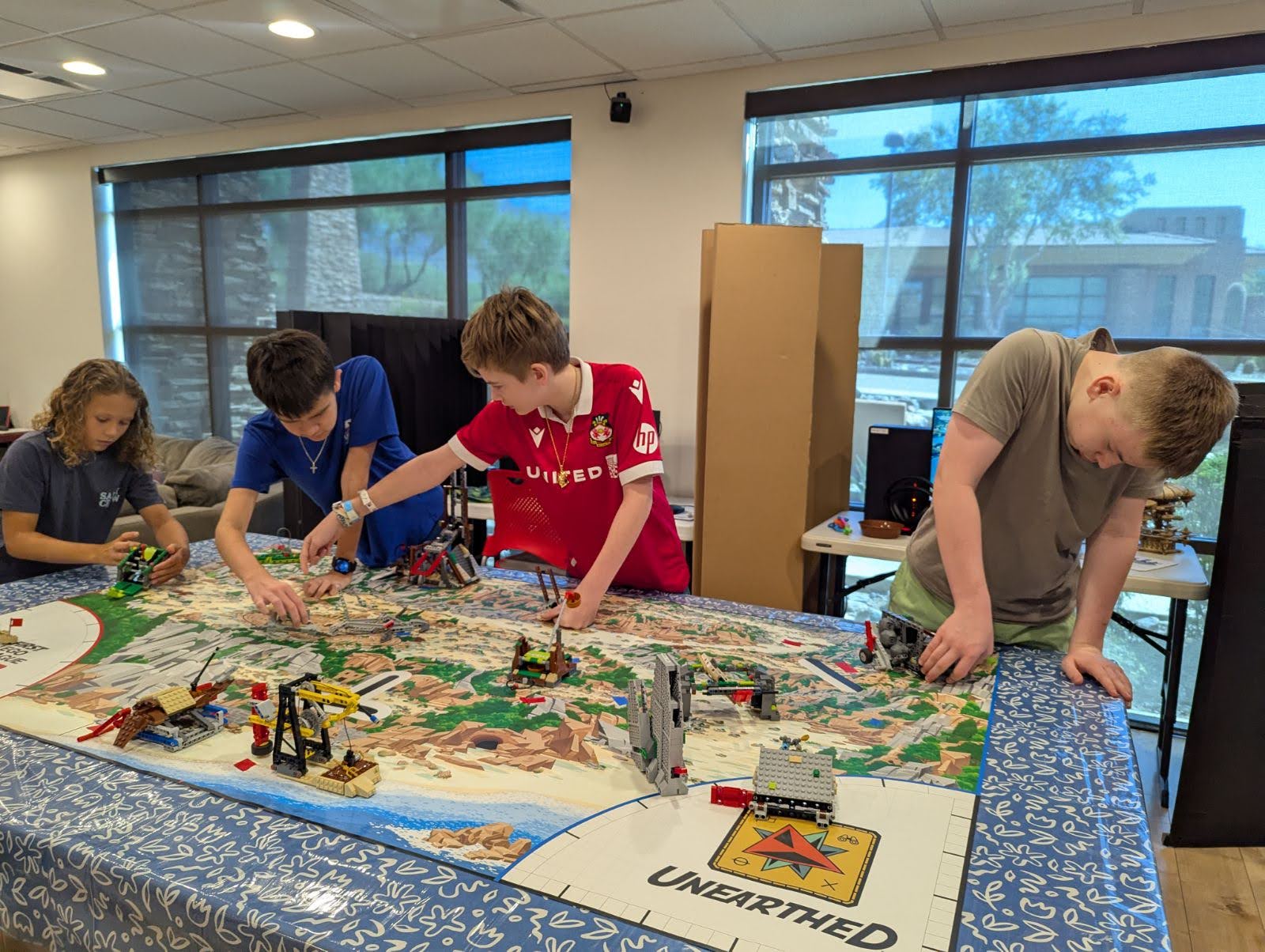
Why STEM Challenges Are Unique
What makes STEM challenges different is that there is no answer key. Students have to think through the problem themselves, try something, and see what happens.
When a student is asked to build a bridge that holds a specific weight, or program a robot to complete a task, there is no formula to look up. The challenge requires them to reason through the problem and make decisions as they go.
A structure collapses. A robot doesn’t respond the way a student expected. A device that seemed like it would work just doesn’t. Each of these moments is frustrating, but each one also creates something more valuable: a reason to think more carefully about what to try next.
Thinking, assessing, and adjusting aren’t just STEM skills. They’re exactly what professional engineers, scientists, and designers do every day. One of the most rewarding moments in a STEM activity is when a student looks at a failed design and says, “I know what I would change next time.” That shift from frustration to curiosity is what good STEM teaching is working toward.
The Engineering Design Process
Making STEM Experiences Better at Home
You don’t need a lab or a shelf of expensive supplies to create meaningful STEM experiences at home. What matters most isn’t the materials; it’s the nature of the problem. A good challenge includes something real to solve, a meaningful constraint, and the expectation that the first attempt won’t be the last.
A Real Problem to Fix
Give students a real-world problem to solve or an actual project to create, rather than a vague or abstract activity. A few examples worth trying:
- Design a better system for organizing school materials.
- Develop a device that helps with a common household chore.
- Construct something that can hold a specific amount of weight.
- Improve something at home that’s difficult or awkward to use.
A Constraint
Constraints are what push creative thinking forward. Without them, the problem stays too open. A few simple ways to add a constraint:
- Limit the materials to only what you set out ahead of time.
- Set a time frame and stick to it.
- Require the design to stay under a certain weight or size.
- Reduce the number of resources available to make the problem harder.
Tests and True Improvement
The first version is just the starting point. After testing, take a moment to work through a few questions together:
What surprised you about how it worked?
What went better than you expected?
What would you do differently next time?
The goal isn’t just to build something. It’s to practice the habit of making things better, one iteration at a time.
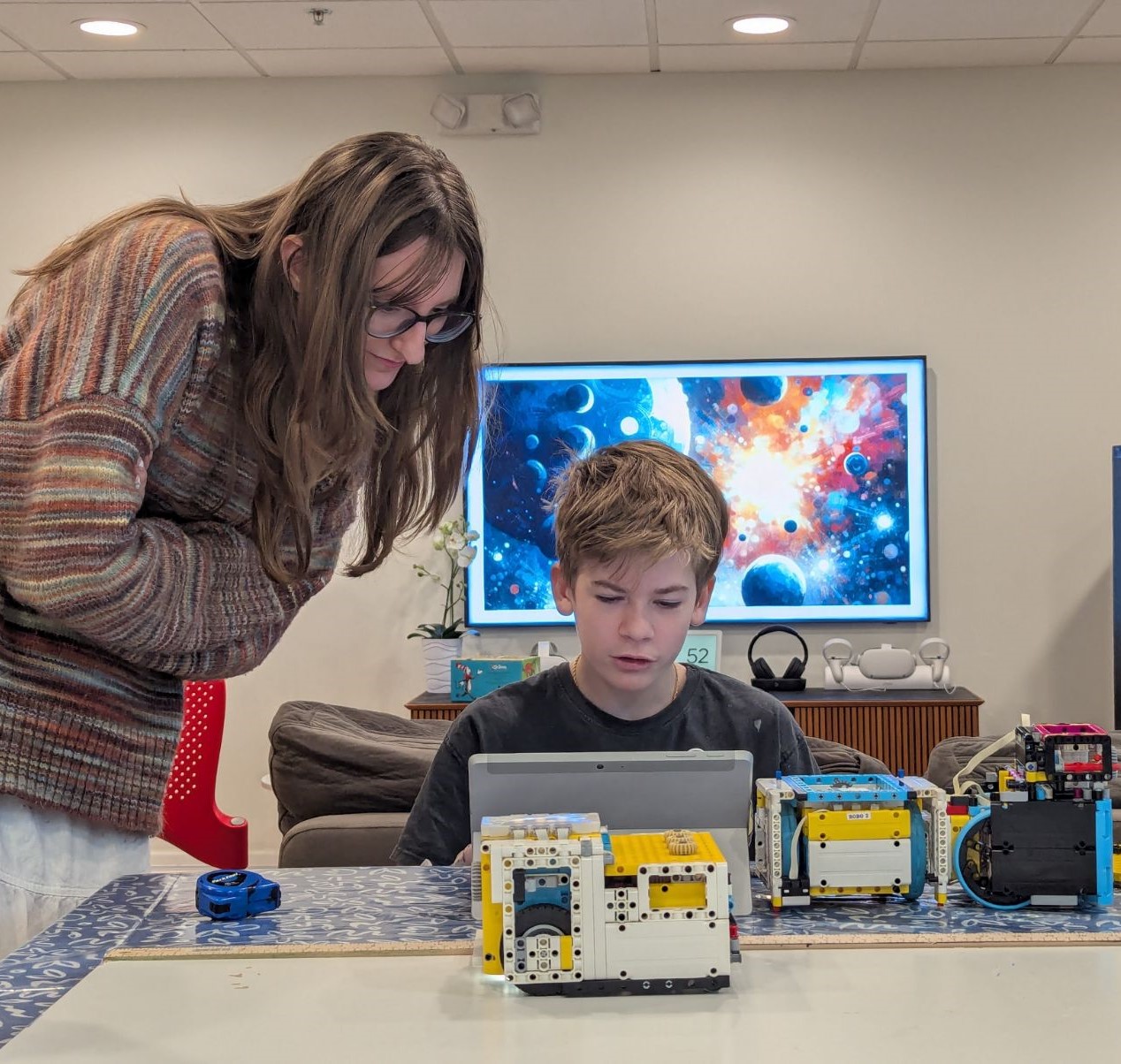
Developing the Minds Behind the Innovation
What a student takes away from a meaningful STEM experience isn’t a finished project sitting on a shelf. It’s how they think. The questions they asked when things didn’t work, the obstacles they pushed through, and the adjustments they made along the way.
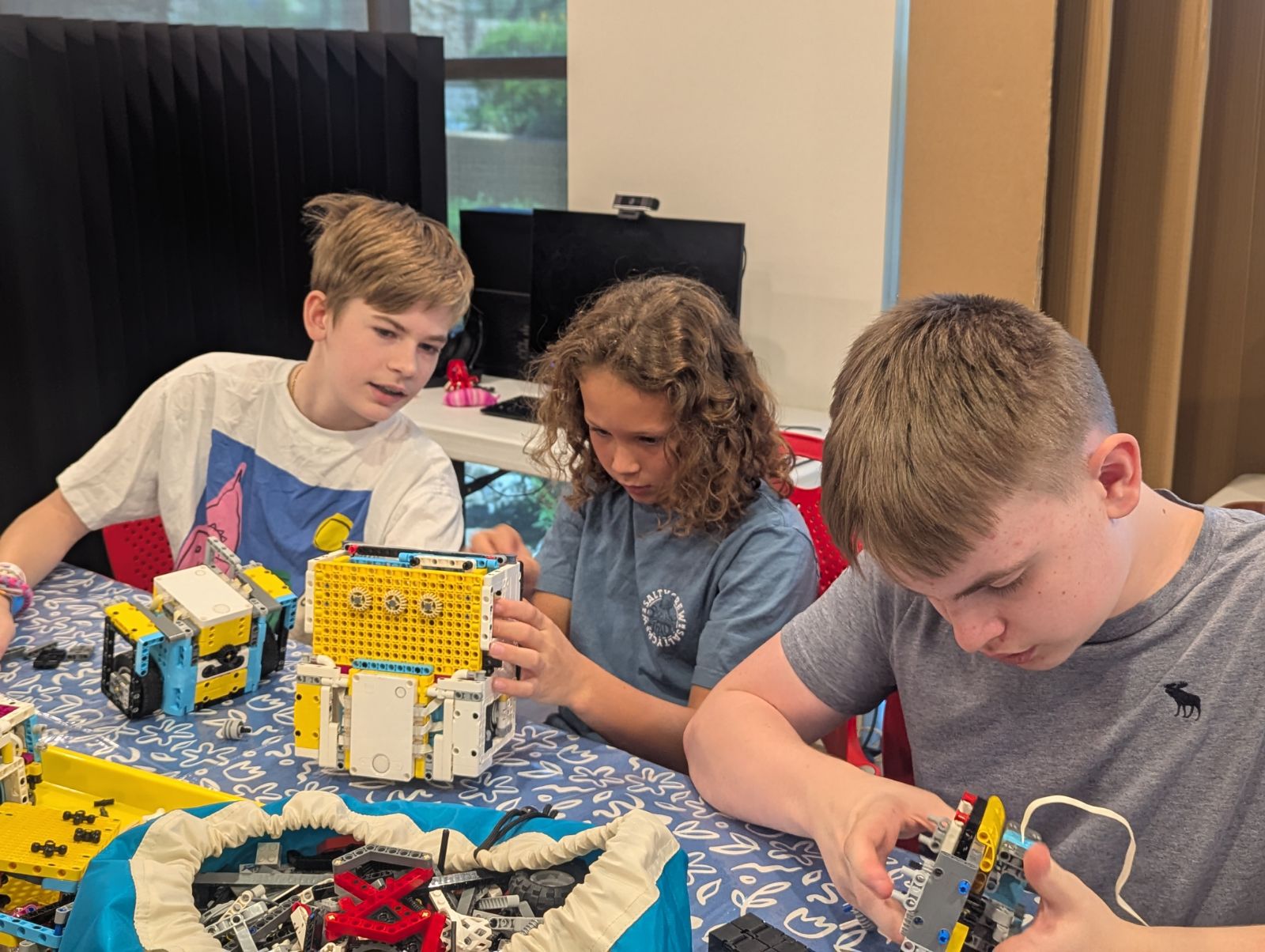
This is at the heart of what we do at Waybright Academy. Whether students are working through robotics, engineering projects, or technology challenges in a small group, the focus is always on the thinking behind the work, not just the final result.
Students work to bring an idea to life, learn from what goes wrong, and keep going until something works. That kind of persistence is practiced, not inherited.
Innovation rarely comes from getting everything right the first time. It comes from being willing to try again after something fails, and from learning a little more with each attempt.
Ready to Bring These Challenges Home?
Browse private lessons and resources designed to give your gifted learner the hands-on, meaningful challenges they need.
Browse the Shop